
China Film Group
News Center

22
2025
-
01
Product Introduction - PET Pre-coated Film
Author:
Chinafilm Group
Product Introduction - PETPre-coated Film
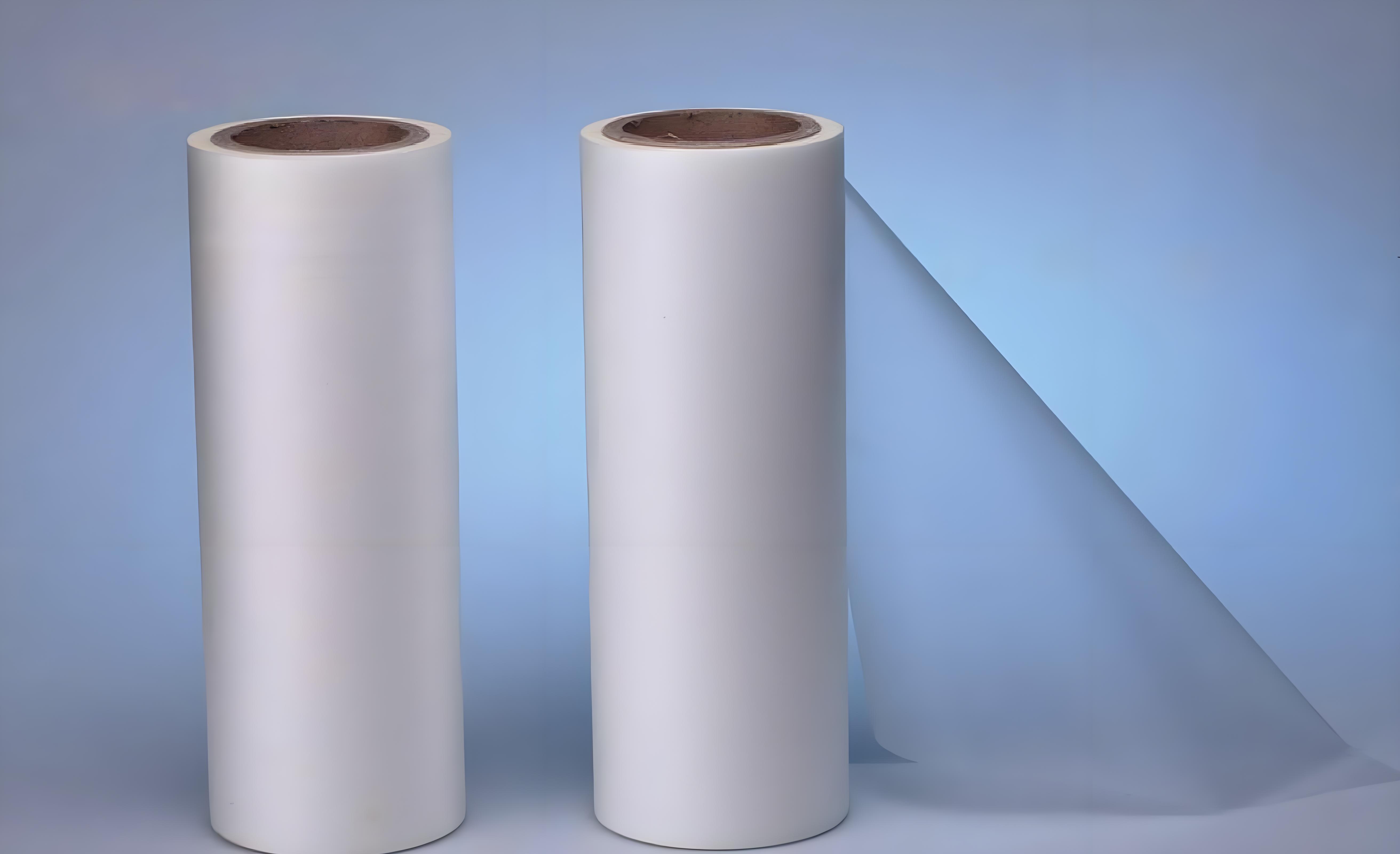
PETPre-coated film is a high-performance film material based on polyethylene terephthalate (Polyethylene Terephthalate, PET) with a special hot melt adhesive layer coated on the surface. It is widely used in the printing and packaging industry due to its excellent physical properties, high transparency, and environmental characteristics, making it an important material in the high-end lamination and packaging fields.
1. Product Advantages
1.Environmental Protection
Solvent-free design, does not release volatile organic compounds (VOCs), in compliance with international environmental standards.
Some products are recyclable or biodegradable, contributing to sustainable development.
2.High Transparency and Gloss
It has excellent optical properties, providing outstanding light transmittance and gloss, significantly enhancing the visual effect and texture of printed materials.
3.Superior Physical Properties
High tensile strength and tear resistance: suitable for applications requiring high-strength protection.
High surface hardness: scratch-resistant and wear-resistant, suitable for long-term preservation of printed materials and packaging.
4.High Temperature Resistance
Can withstand temperatures up to120°C, adapting to more special process requirements.
5.Waterproof and Stain-resistant Properties
It has excellent moisture-proof and stain-resistant capabilities, effectively protecting the material surface from moisture and contamination.
6.Easy Processability
The uniformly coated hot melt adhesive layer melts quickly at low temperatures, with strong adhesion, suitable for various lamination equipment and materials.
2. Product Features
1.Lightweight and High Strength
PETThe density of the pre-coated film is about1.38g/cm³, providing a perfect combination of lightweight and high strength, reducing overall packaging weight while ensuring high performance.
2.Diverse Surface Treatments
Offers a variety of surface effect options, such as gloss, matte, tactile, scratch-resistant, fog-resistant, and laser, to meet diverse market demands.
3.Chemical Stability
Resistant to acid and alkali corrosion, with excellent resistance to most chemicals.
4.Food Grade Safety
Non-toxic and odorless, can be in direct contact with food, suitable for food and beverage packaging.
3. Technical Parameters
Substrate Thickness:12μm - 30μm, commonly used specifications are15μm,20μm, customizable production.
Adhesive Layer Thickness:5μm - 12μm, ensuring efficient and uniform hot melt bonding performance.
Tensile Strength: ≥200 MPa(longitudinal), providing high mechanical strength, suitable for high-strength applications.
Gloss: ≥95%(gloss film), giving printed materials a mirror-like gloss effect.
High Temperature Resistance:120°C and above, adaptable to different processing techniques.
Moisture Permeability:<2g/m²/24hours, with excellent moisture-proof performance.
4. Application Range
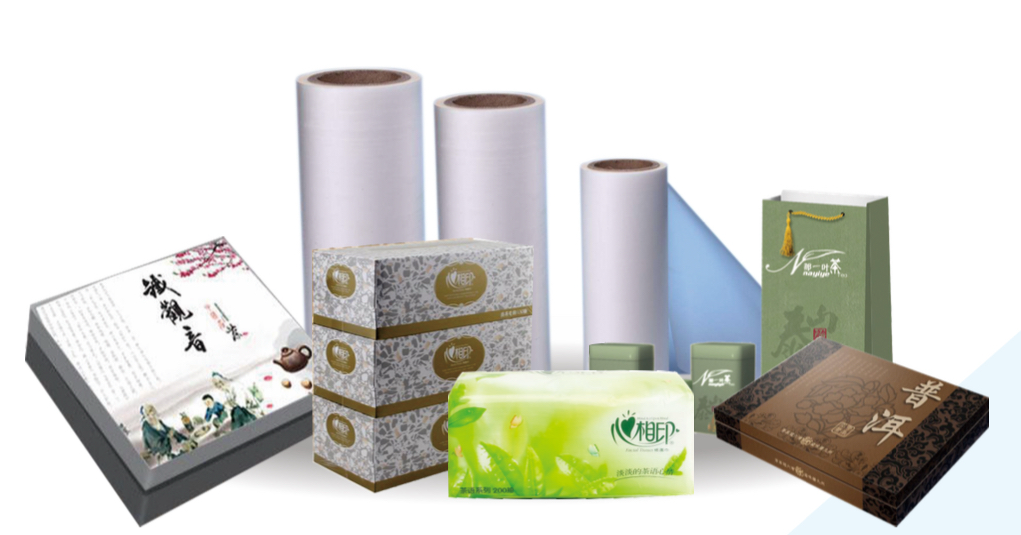
1.Lamination of Printed Materials
Book Covers: Enhances visual effects and durability.
Brochures and Posters: Increases high-end feel and wear resistance.
Business Cards: Improves texture and durability for long-term use.
2.Packaging Field
Food Packaging: Used for frozen foods, snacks, and instant food packaging, with waterproof, moisture-proof, and non-toxic characteristics.
Pharmaceutical Packaging: Protects the clarity of drug information and long-term non-fading.
High-end Gift Packaging: Used for cosmetics, electronics, and luxury goods packaging.
3.Industrial and Advertising Uses
Electronics Packaging: Anti-static and moisture protection for electronic components.
Advertising Materials: Provides high gloss and long-lasting durability for advertising displays and stands.
4.Special Scene Applications
Anti-fog Film: Suitable for frozen food packaging.
Antibacterial Film: Used for food and medical packaging, effectively inhibiting microbial growth.
5. Production Process
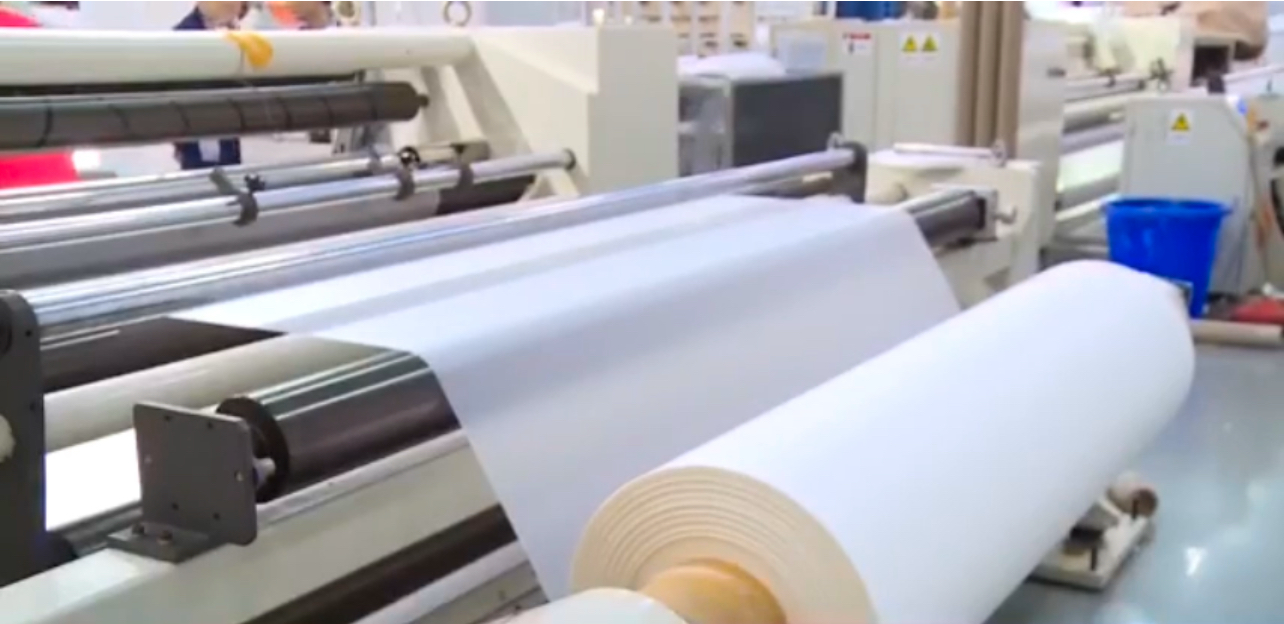
1.Substrate Production
PETThe substrate is prepared through extrusion and biaxial stretching processes, providing excellent strength and transparency.
2.Hot melt adhesive coating
Using high-precision coating equipment to apply a uniform adhesive layer on the substrate surface.
3.Composite molding
Through high-temperature heating and composite processes, a strong bond is formed between the substrate and the adhesive.
4.Roll cutting
High-precision slitting according to market demand to produce standard rolls for easy application.
VI. Market Competitive Advantages
1.High performance/Price ratio
Compared to traditional film materials,PETpre-coated films have excellent overall performance and lower overall costs.
2.Environmental compliance
Meets global environmental standards and adapts to the policy needs of various countries.
3.Product innovation
By developing special functional films (such as antibacterial, anti-fog, etc.), we provide differentiated choices for customers.
VII. Future Development Directions
1.Green and environmentally friendly development
Promote the research and development of biodegradablePETfilms to align with global environmental trends.
2.High value-added products
Increase market share of tactile films and laser films to meet high-end demands.
3.Emerging market expansion
Focus on developing markets in Southeast Asia, Africa, and Latin America to meet the rapidly growing packaging needs.
PETPre-coated films, with their excellent performance, wide application scenarios, and environmental characteristics, have become the preferred material in the packaging and printing industry. In the future, through technological innovation and market expansion,PETpre-coated films will play a more important role in more high-end fields.
Latest News
2026-07-18
AI-Powered Quality Inspection Implementation: Intelligent Technological Upgrade at the Thin-Film Factory
This article provides a comprehensive analysis of the logic behind AI‑driven quality inspection upgrades in the thin‑film industry, covering traditional pain points, the advantages of AI technology, practical application scenarios, and common pitfalls in technological transformation.
2026-07-17
Summer high-temperature winding challenges: core heating, adhesive layer sticking, glue migration, and end-face slippage.
Drawing on practical production experience from the summer season, this paper dissects the root causes of four major winding‑related faults and presents actionable process, equipment, and warehouse‑optimization solutions to help film manufacturers swiftly address high‑temperature winding challenges and reduce production losses.
2026-07-11
Why do most protective film rolls use plastic cores? A comprehensive analysis of the industry’s underlying selection logic.
This article dissects the key reasons for prioritizing plastic spools in protective film applications, examining four critical dimensions: production efficiency, quality control, long-term cost‑benefit analysis, and scenario suitability. It also contrasts the limitations of paper cores, distinguishes between mainstream plastic core materials, and outlines essential considerations to avoid common pitfalls in material selection.
2026-07-10
What are the common core types for film rolls? A comprehensive guide to selecting cores for different film materials.
This article systematically categorizes the mainstream types of film roll cores used in the industry, analyzes the advantages and disadvantages of each core type, identifies suitable film materials, and highlights key considerations for selecting the right core. Covering all major film categories—packaging, new energy, outdoor applications, and electronics—the guide helps film manufacturers and workshop process engineers quickly compare options and make informed choices.
2026-07-04
Semi-solid-state batteries are driving demand for composite separators; an analysis of high-temperature-resistant separator technologies.
This article, drawing on current mass-production technology roadmaps, key performance metrics, mainstream composite separator solutions, and selection criteria, provides a comprehensive analysis of the technical rationale behind high‑temperature‑resistant composite separators specifically designed for semi‑solid‑state batteries, offering practical, industry‑relevant insights for membrane manufacturers, battery procurement teams, and process engineers.